LED display panels are advanced modular visual systems designed to deliver high-impact content across a wide range of applications, including advertising, information display, live broadcasting, events, control rooms, and architectural installations. Built with high-brightness LEDs and robust engineering, these panels ensure excellent visibility even in challenging lighting conditions, along with long-lasting durability.
Their modular structure allows flexible sizing, seamless large-format displays, and custom configurations to suit diverse environments. Whether used indoors for corporate presentations and retail promotions or outdoors for billboards and public signage, LED display panels provide vibrant visuals, energy efficiency, and reliable performance, making them a powerful solution for modern communication and engagement.
LED display panels are versatile, modular visual systems designed to deliver high-impact content across various environments, including:
- Indoor Display Solutions
- Outdoor Display Solutions
- Creative Display Solutions
Types of LED Display Panels
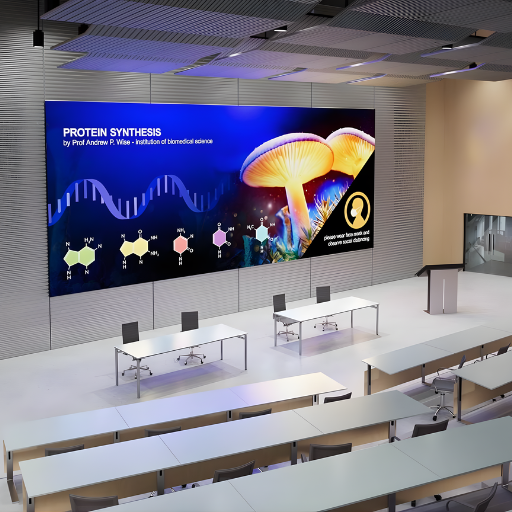
Indoor LED Displays

Fine-pitch options (P0.9–P3.9)

High-resolution for close-range viewing

Applications: corporate lobbies, retail, broadcast studios, command centers, conference rooms

Permanent mount

Seamless modules for large surfaces

Long-term durability and easy service access
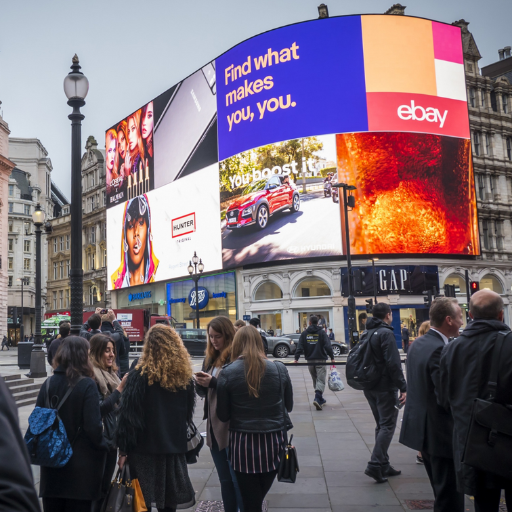
Outdoor LED Displays

High brightness (5,000–10,000+ nits)

Weatherproof (IP65–IP67)

Applications: billboards, stadiums, transportation hubs, building façades

High-resolution modular screens

Flat or curved

Used in control rooms, broadcasting, and high-end retail
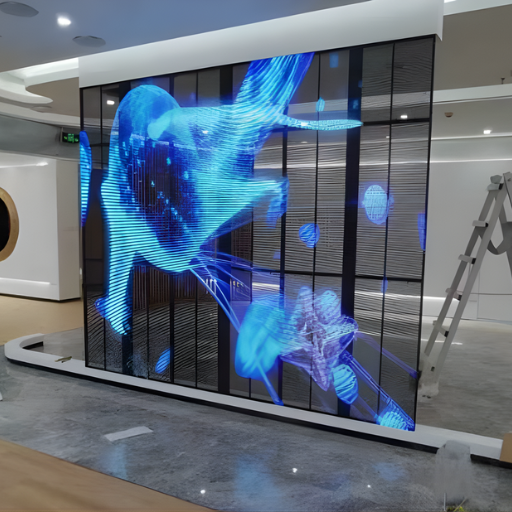
Transparent LED Screens

Glass-friendly for storefronts or atrium displays

High transparency (60–90%)

Minimal impact on natural lighting
Core Technologies

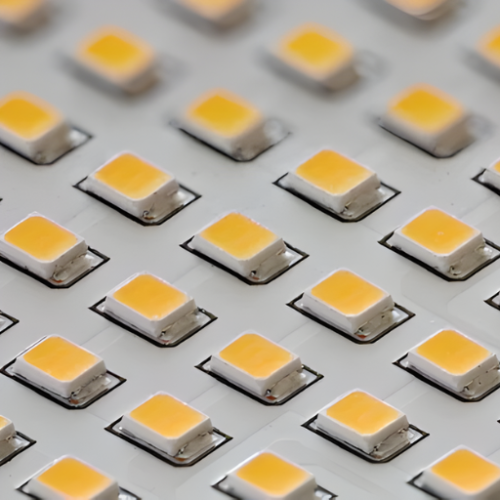
SMD (Surface-Mounted Device) LED
Most common for indoor/outdoor
Wide viewing angles
Good color consistency
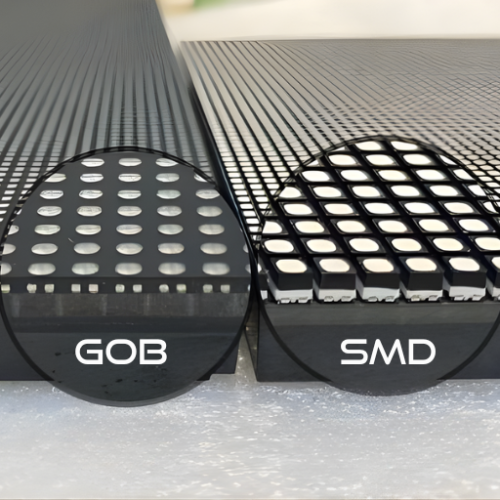
GOB (Glue-On-Board) Protection
Reinforced LED modules
Anti-collision, waterproof, dustproof
Ideal for interactive or high-traffic areas
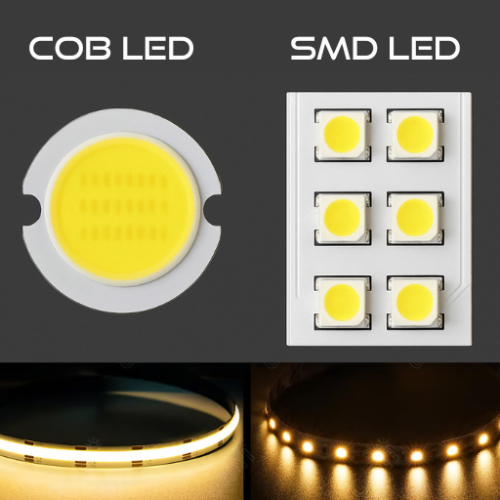
COB (Chip-On-Board) LED
Newer fine-pitch tech
Higher reliability, seamless surface
Less heat, longer lifespan

Mini-LED / Micro-LED
Ultra-fine pixel pitches
High contrast, superior uniformity
Suitable for premium indoor applications
Key Features
- Pixel Pitch (P1.2, P2.5, P4, etc.): Determines resolution
- Brightness (nits): Important for outdoor visibility
- Refresh Rate: Crucial for video, broadcast, and camera use
- Viewing Angle
- Serviceability: Front or rear access
- Durability: Weather rating, impact resistance
- Control System: NovaStar, Colorlight, Brompton, etc.
- Energy Efficiency
End-to-End LED Display Panel Solutions
- Site survey & requirement analysis
- System design & panel selection
- Structural engineering (mounting, rigging, cabinets)
- Power & data planning
- Installation & commissioning
- Calibration (color/brightness uniformity)
- Content management software
- Maintenance & after-sales service
Common Applications
Commercial
Events & Entertainment
Sports & Stadia
Corporate & Government
Architecture
Transportation
Frequently Asked Questions
What is an LED display?
An LED display is a screen made of light-emitting diodes (LEDs) that produce bright, high-contrast images for indoor or outdoor use. These screens are modular, so they can be built in any size or shape.
What is pixel pitch?
Pixel pitch (P1.2, P2.5, P4, etc.) refers to the distance in millimeters between two LEDs.
- Smaller pitch = higher resolution (better for close viewing)
- Larger pitch = lower resolution (better for long-distance viewing)
How do I choose the right pixel pitch?
It depends on how close your audience stands to the screen:
- Indoor, close viewing:2–P3
- Outdoor advertising: P3–P10
- Stage events:9–P6
Tell us your viewing distance and we’ll recommend the ideal pitch.
What is the difference between indoor and outdoor LED displays?
- Indoor: Lower brightness, higher resolution, not waterproof
- Outdoor: High brightness, weatherproof (IP65+), UV-resistant
How bright are LED displays?
Brightness varies from 600–1500 nits for indoor screens and 5000–8000 nits for outdoor displays. Outdoor screens remain visible even in direct sunlight.